
OFFICIAL FESTIVALS
Over the course of the year, the Shiji Long follow a rhythm of celebrations that weave nature, magic, and ancient memory into the heartbeat of their culture. The grandest festivals take place in Tianshu, where entire streets bloom with lanternlight, paper charms, and woven decorations made by the city’s inhabitants. Every region has its own customs shaped by local spirits, climate, and the lingering presence of elders who once walked the land, creating a diverse tapestry of festivities that differ from one corner of Shengdao to another.
The New Year festival marks the turning of the celestial cycle and is one of the most important celebrations. It begins with loud, jubilant processions meant to wake the protective spirits that guard each district. Families gather for hearty meals, children receive bright envelopes filled with lucky trinkets, and firecrackers echo through the streets to chase away any wandering beings that grew bold during the cold months.
The Love Festival is held in early spring when the first warm breezes return. Young Shiji exchange fragrant blossoms from the season’s earliest blooms, while couples tie silky ribbons inscribed with their names along bridges or riverbanks. Flowing water is believed to bind their fates together. Sweet pastries shaped like hearts or delicate spirals are traditional gifts, and fortune tellers offer readings that often have long waiting lines.
Spring arrives in a breath of soft color, celebrated through the Flower Bloom Festival. The first sakura like blossoms, native to Shengdao’s ancient groves, are believed to be a gentle sign from sleeping elders that the world continues its eternal renewal. Families picnic under the trees, artists paint their scales or fur in pale petal shades, and wishes are tied to branches in the hope that the wind will carry them into the care of benevolent spirits. Games like catching a drifting petal on one’s hand are popular, promising luck to anyone who succeeds.
Summer is marked with a festival of heat and vitality that honors the full strength of the twin suns of Shengdao. At night, lanterns shaped like mythical beasts float down the rivers, glowing like molten gold. Cooling drinks, ice treats, and lively dances fill the days, while regions with rivers and lakes often celebrate with joyous water fights. Mountain villages instead hold endurance games or races that pay homage to the season’s intensity.
The Harvest Festival arrives when fields ripen into warm amber shades. It is a time of gratitude and community, with long tables set up in the streets so that whole districts can share a single meal. Farmers leave offerings at the edges of their land for the local spirits and whisper thanks for another year of life. Old tales say that elders once walked the fields during harvest, blessing the crops with a simple touch, and many still believe their presence lingers in the golden light of autumn.
The Scary Festival takes place in late autumn, when the veil between the living and the unseen is believed to grow thin. Children dress as playful spirits, visiting homes for treats, while adults carve eerie faces into gourds to ward off unfriendly presences. Entire evenings are dedicated to storytelling, especially tales about cursed relics, haunted elder resting sites, or remnants of the Elder War. In some towns, brave participants walk candlelit forest paths as a test of courage.
Winter brings the Solstice Reverence, a quiet and contemplative festival. Homes are illuminated by soft blue lanterns meant to echo the starlight of Shengdao’s winter sky. Families carve snow effigies shaped loosely after elders, believing that even a symbolic gesture shows respect. The cold season is said to be when elders sleep most deeply, and thus the land must remain calm and peaceful. Storytelling, warm teas, and gentle indoor gatherings define this festival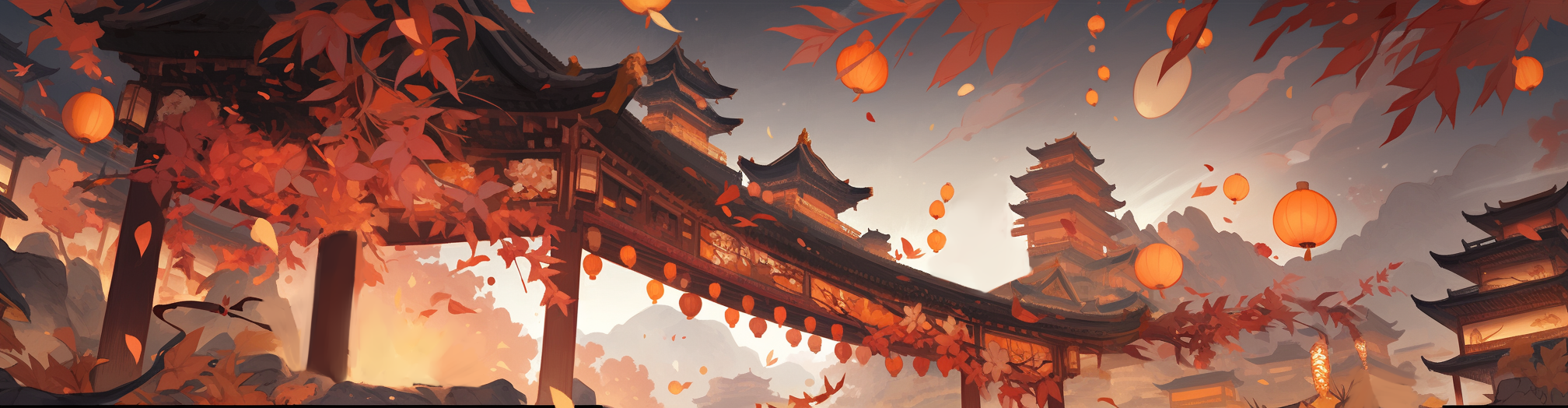
REGIONAL FESTIVALS
There are also many regional festivals across Shengdao, shaped by local spirits, landscapes, and traditions. These celebrations are smaller and vary from place to place, but together they show the rich cultural diversity of the Shiji Long.
In the southern marshlands, the Lantern Reed Mistwalk takes place when the first reeds bloom. Before sunrise, villagers wander through thick fog with reed torches held high, guiding wandering water spirits back into the wetlands and ensuring the marsh stays in balance.
Forested regions celebrate the Dewveil Gathering at dawn. Residents gather the glittering morning dew from spiderwebs on long woven sticks, believing the preserved dew protects homes and travelers from misfortune throughout the year.
Across blooming wetlands, the Marsh Bloom Chorus begins on the night hundreds of lotus flowers open at once. Families gather on wooden platforms and sing soft harmonies that drift over the water, inviting gentle spirits to bless the coming season.
Coastal communities honor the Tidebound Pact during early summer. People send carved driftwood offerings and salted bread onto the waves. If the sea returns an offering unharmed, it is taken as a powerful sign of favor from ocean spirits.
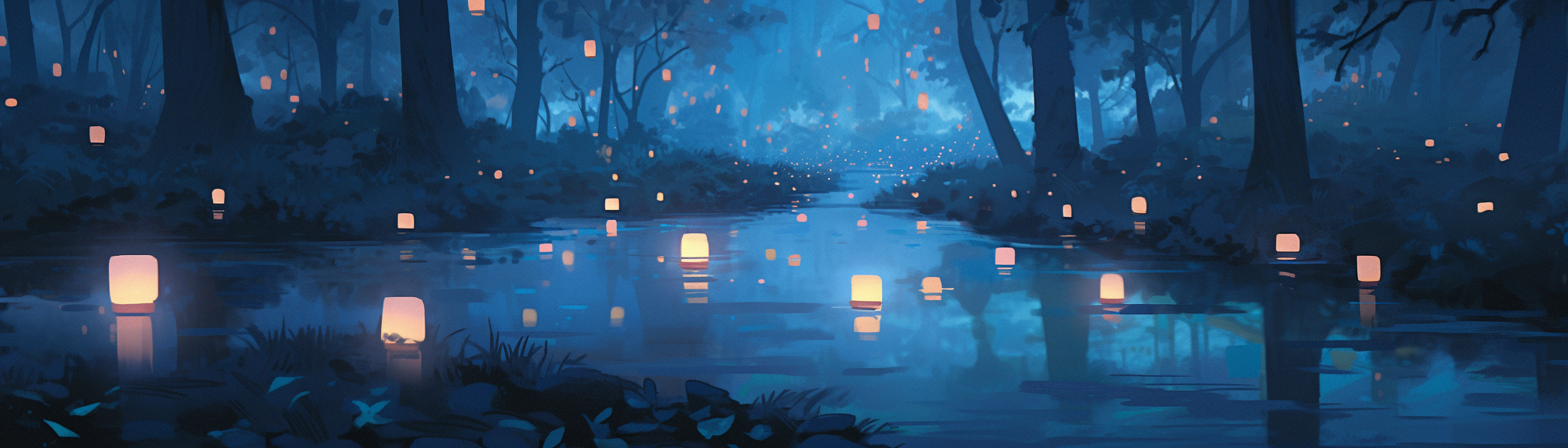
In deep summer forests, the Firefly Chorus fills the clearings with glowing light. Thousands of fireflies gather, and locals sit beneath them, singing melodies believed to calm the land’s magic and bring harmony to the region.
Cliff-side settlements celebrate the Cliffwind Calling, raising colorful wind wheels and fabric ribbons along the rocky heights. The strong coastal winds carry their spinning forms far into the sky, and the patterns of the wind are interpreted as omens.
River towns hold the River Rush, a fast-paced competition where participants guide floating lanterns upstream without letting them tip or sink, symbolizing perseverance and teamwork.
Near the Graveyard of the Ancients, the Remembrance Night honors the ancient elder bones resting beneath the sands. People place softly glowing stones around the remains, whispering thanks and asking for guidance from the lingering magic.
Highland forests hold the Hunt of Silver Leaves, a moonlit gathering where families search for frost-glow mushrooms that appear only for a short time. These mushrooms are later shared in a communal meal believed to strengthen intuition.
In the wide fields, the Whispermaize Night takes place when dry stalks rustle loudly in the autumn wind. Families walk among the rows listening to the whispers, said to carry ancestral messages or warnings.
Mountainous regions honor the Stonefruit Tribute. The last fruits of autumn are crushed on warm cliff stones as offerings to the local rock spirits, asking for safe paths and protection from landslides.
Northern valleys celebrate the Ember Circle Gathering in early winter. Glowing embers are arranged in rings in the snow, and families step or jump over them to banish misfortune and invite health into the coming year.
On storm-struck peninsulas, Stormcall Night is held. Residents gather to sing into the wind and hang bright ribbons and windchimes on cliff edges to appease restless sky spirits.
Highland plateaus observe the Frostpath Vigil during the longest nights of winter. A rare snow-free natural path is lined with lanterns, and locals stand watch to guide travelers and wandering spirits safely across the cold landscape.
On islands and quiet coasts, the Silent Shore Watch closes the year. Families sit in complete silence at the shoreline during the longest night, believing the footsteps of ancient sea spirits can be heard walking between the waves.
Some celebrations occur throughout the year. The Mirage Vigil in the Golden Sands Desert brings caravans together to watch shimmering mirage spirits dance across the dunes. Mountainous clans hold the Clifftop Resonation, playing flutes and crystal chimes toward the empty sky until the peaks respond with echoing tones. Deep forests practice the Resonant Root Rite after heavy weather changes, pressing ears to ancient roots to listen for the earth’s hum. Desert travelers walk the Dune Starglow Hike during bright nights, when the sand reflects the starlight so strongly that the dunes glow like silver glass.
FULL CHRONOLOGICAL FESTIVAL LIST
-
New Year
-
Love Festival
-
Flower Bloom Festival
-
Summer Festival
-
Harvest Festival
-
Scary Festival

-
Winter Solstice Reverence
Spring Festivals
-
Lantern Reed Mistwalk
-
Dewveil Gathering
-
Marsh Bloom Chorus
Summer Festivals
-
Tidebound Pact
-
Firefly Chorus
-
Cliffwind Calling
-
River Lantern Rush
Autumn Festivals
-
Bone Remembrance Night
-
Hunt of Silver Leaves
-
Whispermaize Night
-
Stonefruit Tribute
Winter Festivals
-
Ember Circle Gathering
-
Stormcall Night
-
Frostpath Vigil
-
Silent Shore Watch
All-Year Festivals
-
Mirage Vigil
-
Clifftop Resonation
-
Resonant Root Rite
-
Dune Starglow Hike
.